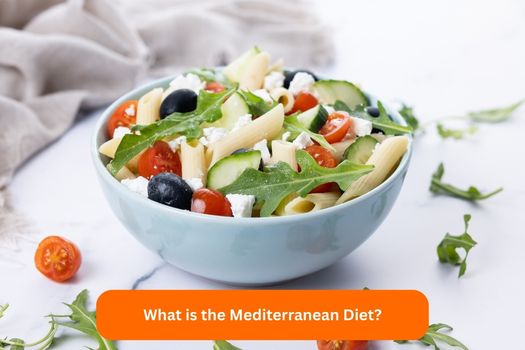
The Mediterranean diet has become one of the most trusted eating patterns for better health and long-term wellness. Many people turn to it because it is simple, flexible, and based on real food. The diet takes inspiration from the eating habits of people living near the Mediterranean Sea, where rates of lifestyle diseases are lower.
This blog will help you understand what the Mediterranean diet is, why it supports better health, and how you can start including it in your daily routine. You will also find practical meal ideas, important tips, and answers to common questions.
What is the Mediterranean Diet?
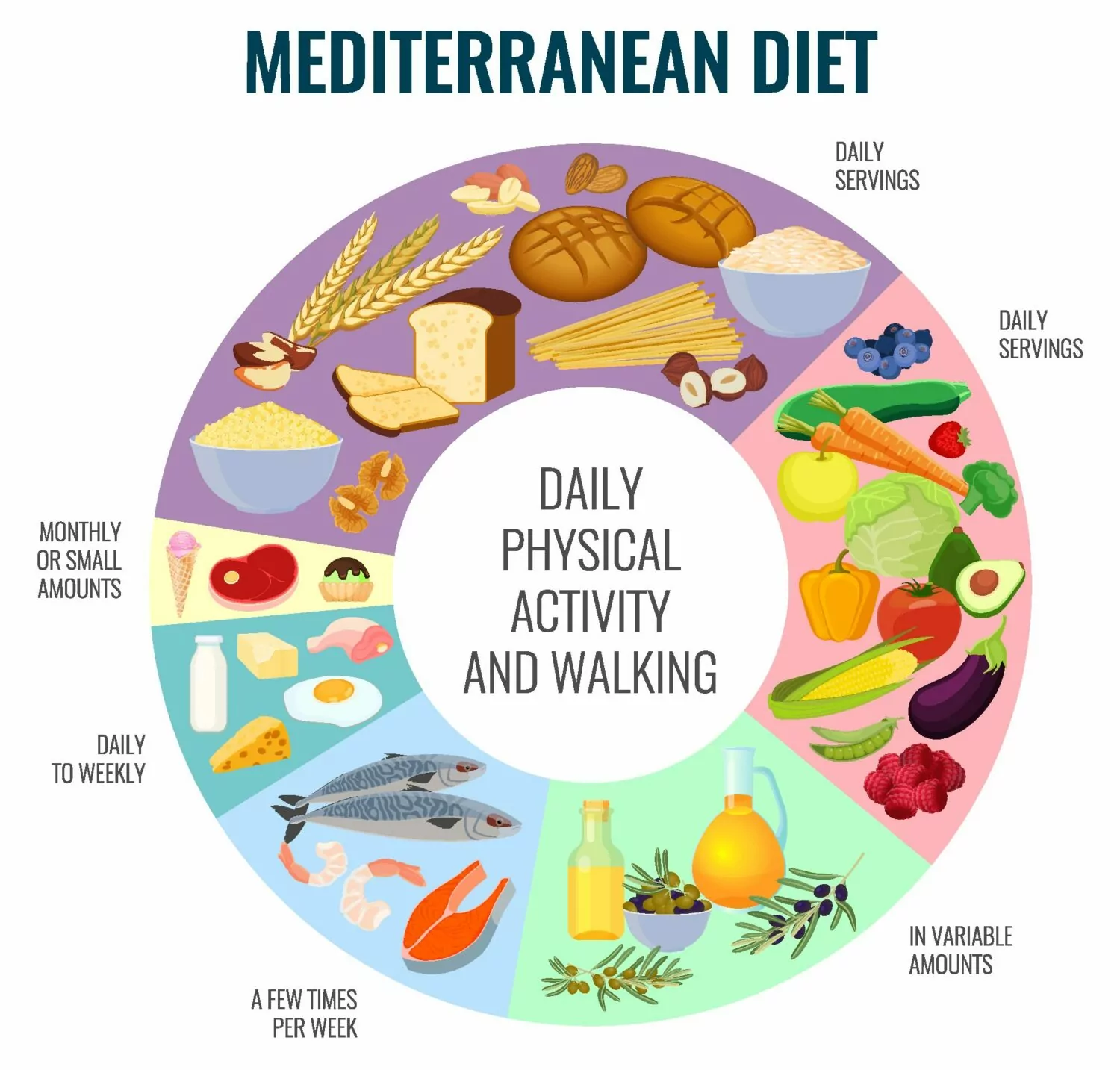
The Mediterranean diet is not a strict diet plan. It is a pattern of eating that focuses on whole, fresh, and natural foods. It encourages you to include more vegetables, fruits, whole grains, nuts, seeds, legumes, and healthy fats. Mediterranean Diet gives space for moderate dairy, moderate fish and chicken, and very limited red meat.
This eating approach supports heart health, weight control, digestive strength, and stable energy levels. It is easy to adapt to Indian meals and works for people of different ages and lifestyles.
Key principles of the Mediterranean diet
• Fresh vegetables and fruits form the foundation
• Olive oil is the main source of fat
• Whole grains instead of refined grains
• Moderate fish, eggs, and poultry
• Very little red meat and processed food
• Simple home-cooked meals prepared with herbs and spices
• Importance of mindful eating and balanced portions
Why the Mediterranean Diet Matters for Your Health
Many lifestyle disorders today come from poor eating habits. The Mediterranean diet supports your body with clean, nutrient-rich food. It also lowers the burden of inflammation, which is linked to several chronic conditions.
Helps manage blood sugar
Meals rich in fiber, whole grains, and healthy fats can support stable sugar levels. It is helpful for people with diabetes and those at risk of developing it.
Supports heart health
Olive oil, nuts, seeds, and fresh produce support healthy cholesterol levels and reduce strain on the heart. This diet encourages foods that protect your arteries.
Aids in weight management
The diet promotes slow-digesting foods. These foods keep you full and reduce cravings. Many people notice better energy and gradual fat loss.
Better digestion
High fiber intake supports healthy gut movement and reduces bloating, constipation, and gastric discomfort.
Supports healthy aging
Foods like fruits, vegetables, and legumes provide antioxidants. These support cell repair and help reduce age-related health concerns.
Sustainable for long-term use
Unlike strict diets, the Mediterranean diet offers flexibility. You can follow it daily without feeling restricted.
Core Foods of the Mediterranean Diet
The strength of this diet comes from whole food groups that nourish the body in different ways.
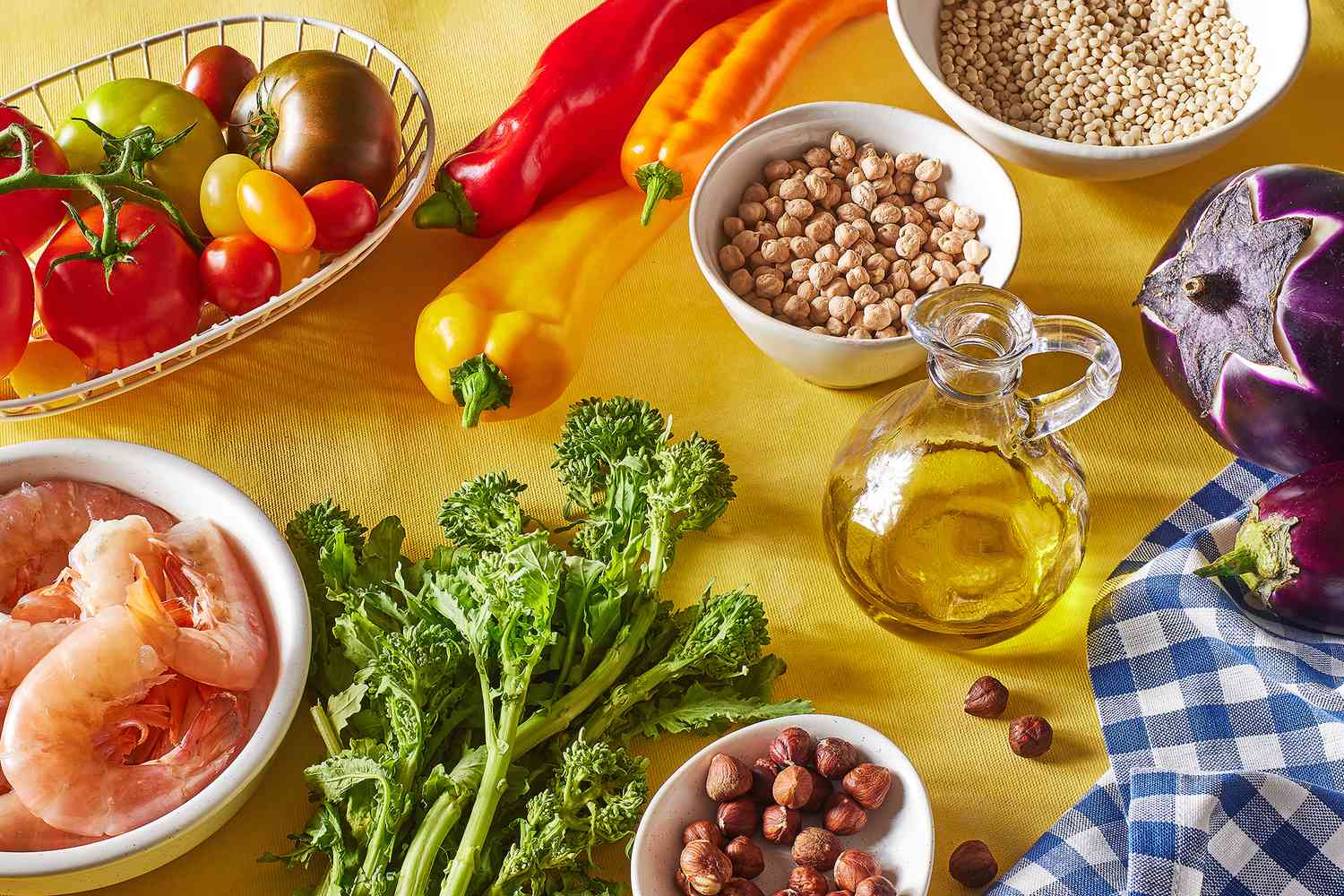
Colorful vegetables
Vegetables form the base of every meal. You can include spinach, broccoli, carrots, tomatoes, beans, cucumbers, and more. Fresh or lightly cooked vegetables support better digestion and nutrient absorption.
Fruits
Seasonal fruits serve as natural snacks. Apples, grapes, oranges, berries, papaya, pomegranate, and figs give energy and natural sweetness.
Whole grains
Switching to whole grains stabilizes your energy levels. Choose brown rice, whole wheat, oats, barley, ragi, jowar, and quinoa.
Healthy fats
Olive oil is the most important fat source in this diet. You can also include nuts, seeds, and avocados. These support brain function and hormonal balance.
Legumes
Lentils, beans, chickpeas, and peas add plant-based protein and fiber.
Moderate animal protein
Fish, eggs, and poultry are taken in moderation. Fish like salmon, sardines, and mackerel are rich in omega-3.
Herbs and spices
Instead of heavy sauces, the diet focuses on herbs like basil, parsley, oregano, and Indian spices such as turmeric, cumin, coriander, and garlic.
Practical Mediterranean Meal Ideas You Can Try
You can adapt this diet easily to Indian kitchens with simple changes. Here are meal ideas that work for daily life.
Breakfast ideas
• Oats cooked with fruits and nuts
• Multigrain toast with avocado and tomatoes
• Besan chilla with vegetables
• Sprout salad with lemon and olive oil
• Smoothie with banana, oats, yogurt, and chia seeds
Lunch ideas
• Brown rice with dal, grilled vegetables, and salad
• Whole wheat roti with rajma or chole and sautéed greens
• Quinoa bowl with vegetables, chickpeas, and olive oil
• Grilled fish with steamed vegetables
• Mediterranean-style khichdi with lentils and vegetables
Dinner ideas
• Vegetable soups with whole wheat toast
• Grilled paneer with stir-fried vegetables
• Mixed vegetable dal with millet roti
• Chicken stew with herbs
• Mediterranean salad bowl with lettuce, olives, tomatoes, cucumber, and feta
Snack ideas
• Nuts and seeds
• Fruit bowls
• Hummus with vegetable sticks
• Yogurt with berries
• Roasted chana
How the Mediterranean Diet Supports Common Health Issues
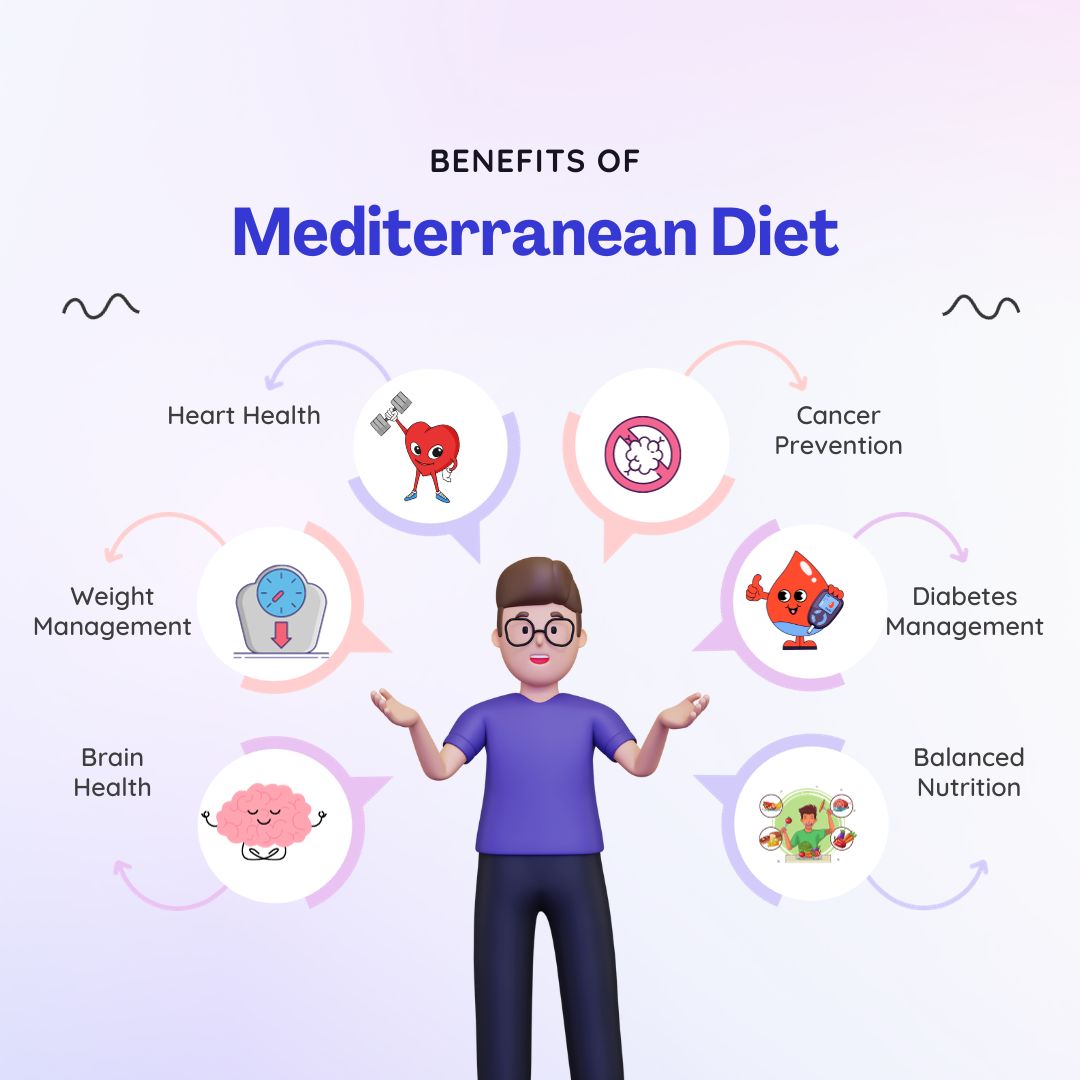
The Mediterranean diet aligns well with several health conditions that many people struggle with today.
Diabetes
High fiber, slow-release carbohydrates, and healthy fats support blood sugar balance. Meals do not cause sudden spikes.
Hypertension
Fresh vegetables, fruits, potassium-rich foods, and low sodium intake help maintain healthy blood pressure levels.
Heart problems
Olive oil, nuts, and omega-3-rich foods support artery health and reduce inflammation.
Obesity
Balanced meals and whole foods promote fat loss and reduce unnecessary snacking.
Digestive problems
High fiber intake from legumes, vegetables, and whole grains improves gut motility.
Child nutrition
Children can also benefit from this diet with balanced meals made at home.
Pregnancy and post-pregnancy nutrition
The diet provides essential nutrients like iron, folate, calcium, protein, and healthy fats.
Tips to Start Following the Mediterranean Diet
You can begin with simple steps that fit your current routine.
• Make vegetables half of your plate
• Use olive oil for cooking or dressing
• Replace refined grains with whole grains
• Add one fruit every day
• Include nuts and seeds
• Reduce packaged food
• Drink enough water
• Eat meals at regular times
• Choose home-cooked food whenever possible
Small daily changes can create major improvements in your health.
Consult a Qualified Nutrition Expert
If you want to start the Mediterranean diet with proper guidance, consulting a trained professional helps you follow a plan that suits your body.
Deepak KD is a practicing nutritionist, consultant, trainer, social worker, and entrepreneur. She works with individuals facing Diabetes, Hypertension, Cardiac disease, Obesity, Underweight issues, Gastrointestinal problems, Allergies, Sports nutrition needs, Child nutrition challenges, Pre and Post pregnancy nutrition, and post-surgery diet planning.
You can consult her at:
D’FAB U Thane
Kabra Galaxy, Brahmand, Thane, India
To book an appointment, call or visit the clinic directly.
FAQs
What makes the Mediterranean diet different from other diets?
It focuses on whole food groups instead of strict restrictions. You eat balanced meals that support long-term wellness.
Can the Mediterranean diet help with weight loss?
The diet supports steady fat loss because it is rich in fiber, healthy fats, and clean carbohydrates.
Is olive oil necessary for this diet?
Olive oil is a key part of the diet, but you can use it smartly. A small amount is enough. You can also include nuts and seeds for healthy fats.
Can vegetarians follow this diet?
Yes. Vegetarians can include legumes, vegetables, whole grains, nuts, seeds, and dairy to create balanced meals.
Can this diet help with diabetes or heart conditions?
The diet supports stable sugar levels and better heart health due to its focus on whole foods and healthy fats.
The Mediterranean diet offers a simple way to support your overall health with clean and natural food choices. If you want a personalized plan, working with a trained nutrition expert can help you get better results. Consistent habits and mindful eating can take you closer to better health, energy, and wellness.