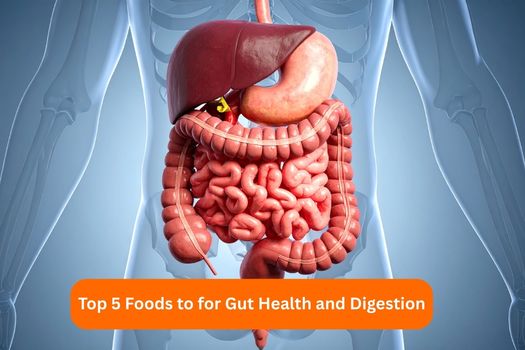
Good gut health affects more than just digestion. It supports energy, immunity, mood balance, and long-term wellness. Many people struggle with bloating, acidity, constipation, slow metabolism, or irregular bowel habits without knowing that their daily diet plays a big role in these issues. Your gut responds to what you eat every single day. Choosing the right foods can calm digestive discomfort, support healthy bacteria, and restore your body’s natural balance. This blog covers the top foods that support a healthy gut along with practical tips you can start using today.
A healthy gut is not built overnight. It comes from consistent habits, smart food choices, and the right guidance from a qualified dietitian who understands your body’s needs. When you learn how specific foods nourish your digestive system, it becomes easier to take charge of your health with confidence. Every section below explains what to eat, why it matters, and how you can add these foods to your daily meals with ease.
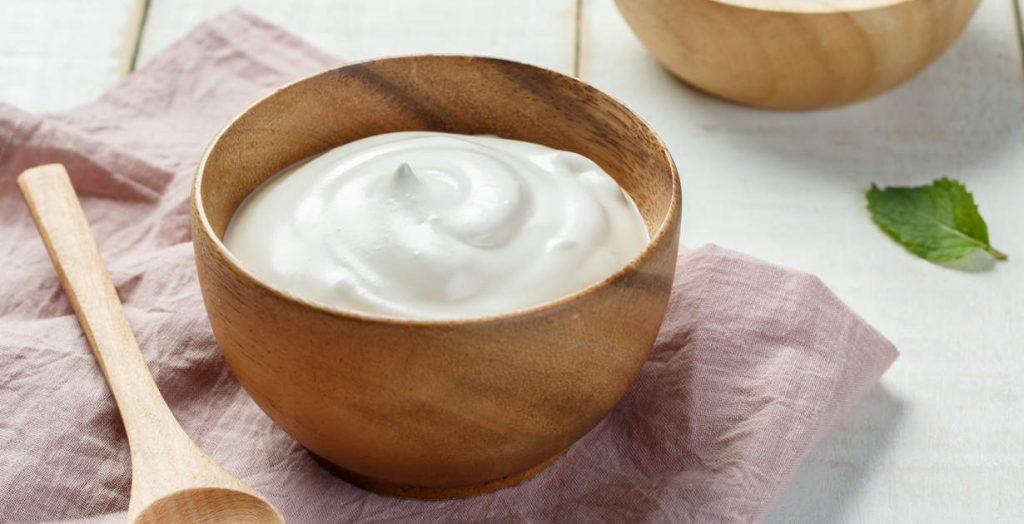
Yoghurt: A Natural Source of Probiotics
Yoghurt contains live beneficial bacteria that help balance the gut microbiome. These bacteria support digestion, reduce gas, ease constipation, and improve nutrient absorption.
How it helps your gut:
- Restores good bacteria after stress or medication
- Reduces acidity
- Supports smooth bowel movement
- Helps your body break down lactose if you are mildly sensitive
How to add it to your diet:
- A small bowl with breakfast
- As a mid-meal snack
- Mix with fruits or a pinch of roasted cumin
- Use buttermilk during hot weather
Always choose plain, unsweetened yoghurt to avoid excess sugar.
Bananas: Gentle, Soothing, and Easy to Digest
Bananas help calm the digestive system and are safe even when your gut feels irritated. They contain fiber that supports regular bowel movement and potassium that reduces bloating.
Why bananas help:
- Smoothen digestion when stomach feels weak
- Support gut-friendly bacteria
- Provide natural energy without irritating the stomach
- Help manage acidity
Ways to enjoy bananas:
- Add to smoothies
- Combine with peanut butter
- Eat one before or after a workout
- Use in breakfast bowls
They are ideal for people with gastritis or indigestion.
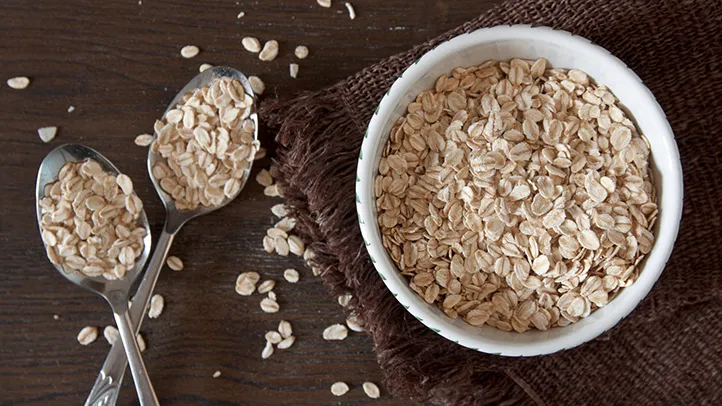
Oats: A High-Fiber Food for Regular Digestion
Oats contain soluble fiber called beta-glucan. This supports digestion by forming a gel-like structure that moves smoothly through your gut.
How oats support your system:
- Add bulk to your stool
- Prevent constipation
- Maintain steady blood sugar levels
- Keep you full for long
How to include oats:
- Overnight oats
- Warm porridge
- Oats smoothies
- Oats idli or chilla
The slow-release energy from oats makes them a great breakfast choice.
Papaya: A Natural Digestive Enzyme Booster
Papaya contains an enzyme called papain. This helps break down proteins and supports easy digestion. It also reduces bloating and supports regular bowel habits.
Why papaya works:
- Breaks down heavy meals
- Reduces inflammation in the stomach
- Calms acidity
- Supports healthy cleansing of the gut
Best ways to consume:
- A bowl on an empty stomach
- Mixed fruit salad
- Papaya smoothie
Papaya works well for people who experience slow digestion or discomfort after meals.
Fermented Foods: Natural Gut Strengtheners
Fermented foods support gut health by giving your body healthy bacteria. They help improve digestion and keep the gut environment balanced.
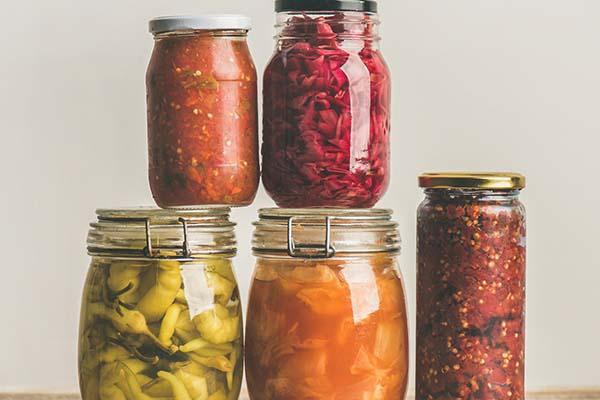
Examples of fermented foods:
- Idli
- Dosa
- Dhokla
- Pickles in small amounts
- Kanji
- Kombucha
Benefits for your gut:
- Improve nutrient absorption
- Reduce digestive discomfort
- Increase gut-friendly bacteria
- Support immunity
Start with small amounts and increase gradually.
Fennel Seeds: A Simple Remedy for Digestion
Fennel seeds work well for bloating, gas, and discomfort after meals. Many Indian households use saunf as a natural digestive.
How fennel helps:
- Relaxes muscles of the gut
- Reduces gas formation
- Freshens breath
- Aids digestion after heavy meals
How to take fennel:
- Chew one teaspoon after meals
- Add to herbal tea
- Use in sabzis and dals
It is a quick and gentle way to support daily digestive comfort.
Whole Fruits and Vegetables: Natural Fiber for Gut Movement
Fiber is essential for good digestion. It supports stool movement and feeds gut bacteria. A diet rich in fresh fruits and vegetables helps prevent constipation and balances your digestive system.
Best high-fiber foods:
- Apples
- Pears
- Carrots
- Beans
- Pumpkin
- Spinach
How fiber helps:
- Helps clean the gut
- Prevents constipation
- Keeps digestion smooth
- Keeps you full
Aim for at least two servings of fruit and two servings of vegetables daily.
Hydration: The Most Overlooked Gut Habit
Water plays a direct role in digestion. Your body needs enough fluid to break down food and move it through your intestines.

Why hydration matters:
- Supports smooth bowel movement
- Prevents acidity
- Helps absorb nutrients
- Reduces cravings
Simple ways to stay hydrated:
- Warm water in the morning
- Coconut water if dehydrated
- Herbal teas
Pay attention to your thirst cues during the day.
Consultation With a Qualified Nutrition Expert
Diet choices should match your lifestyle, digestion patterns, medical history, and personal needs. Every individual has a unique gut environment. Some foods may suit one person more than another. A customized diet plan helps you identify what works best for you.
Deepak KD offers personalized diet guidance for a wide range of health needs, including digestive issues, metabolic conditions, weight management, and overall wellness. She works with patients dealing with diabetes, hypertension, cardiac concerns, obesity, underweight issues, gastrointestinal problems, allergies, sports nutrition, pre and post pregnancy diets, child nutrition, and post-surgery recovery. Her approach focuses on practical, customised plans that match each individual’s lifestyle and health goals.
Consult her at:
D’FAB U Thane
Kabra Galaxy, Brahmand, Thane, India
To book an appointment, call or visit the clinic directly.
You can also reach her at the Borivali West Mumbai location.
FAQs
1. Can eating yoghurt daily improve digestion?
Yes. Yoghurt provides healthy bacteria that support digestion and reduce acidity. It helps restore balance in your gut.
2. Are fermented foods safe for everyone?
Most people benefit from fermented foods. Start with small amounts if you have a sensitive stomach.
3. Is fiber helpful for constipation?
Fiber supports bowel movement and helps prevent constipation. Include fruits, vegetables, and whole grains daily.
4. Can bananas reduce bloating?
Bananas contain potassium and fiber, which help reduce bloating and support digestion.
5. How fast can gut health improve after changing diet?
Gut health improves gradually. Some people feel changes within a week, while others take longer. Consistency matters.
Eating for better gut health is a long-term habit. Every small step matters. When you choose foods that support digestion, your energy, immunity, and overall wellness improve. If you face frequent discomfort, bloating, or irregular digestion, seek personalized guidance. A tailored diet plan helps you understand your body better and move toward a healthier gut with confidence.